
Originally Posted On: https://www.ucanpack.com/blog/post/corrugated-boxes-vs-sbs-cartons-for-retail-shelf-presentation-and-print-quality
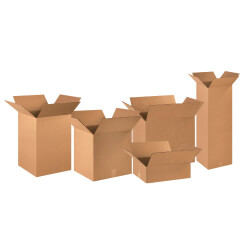
At a Glance
-
Corrugated boxes: fluted middle layer for real cushioning and stacking strength — best for shipping, bulky retail displays, and multi-unit trays that take a beating in transit.
-
SBS cartons: smooth, clay-coated surface built for sharp color and fine text — best for small, lightweight single-unit boxes like cosmetics or supplement cartons sold face-out on a shelf.
-
Custom corrugated displays/trays: full-color branding on a structure that can actually hold cans, bottles, or multi-packs without sagging — best for brands testing a new retail placement without committing to thousands of units.
-
Reverse tuck kraft corrugated boxes (like a 4x1x4): closes the old gap between the two — SBS-style presentation with corrugated durability — best for small sellers who want a shelf-ready look but still need shipping-grade toughness.
-
Overall winner: if the box ships, stacks, or carries more than a pound or two, corrugated wins on strength and cost at volume — SBS only pulls ahead when a single small carton's graphics need to look flawless under store lighting.
-
Two boxes sit on a shelf.
One's a bright, glossy carton with photo-sharp printing. The other's a sturdier build wrapped in bold color and a matte finish that still holds its shape after six weeks of handling. Same retail space, two completely different materials doing two completely different jobs.
That's the real choice hiding behind "corrugated boxes vs SBS cartons." Corrugated boxes — built from fluted board sandwiched between liner sheets — are the go-to for shipping, stacking, — display work where strength actually matters. SBS cartons, made from single-ply clay-coated paperboard, exist for one reason: print clarity on a small, lightweight package. Sellers shipping direct-to-consumer or building retail displays need to know which one protects the product and which one just makes it look good on a shelf. Get that wrong, and either your display collapses under its own product weight or you're overpaying for print polish nobody needs on a shipping box.
Corrugated Boxes vs SBS Cartons: What Retail Sellers Are Really Choosing Between
A skincare brand ships 400 units a month to a regional retailer. The outer case needs to survive a forklift and a delivery truck. The inner box — the one sitting on the shelf under store lighting — needs to look good enough to sell itself. That's the split most retail sellers face: corrugated boxes for transit, SBS paperboard for the face-out display. They're not competing products. They're built for different jobs, and mixing them up costs money in damage claims or wasted print budget.
What Is a Corrugated Box (And How It Differs From Non-Corrugated Cardboard)
A fluted paper layer glued between two flat liners — that's what separates corrugated from flat, non-corrugated cardboard. The flute acts like a spring, absorbing shock and resisting crushing. B-flute gives tighter cushioning for small items; C-flute adds stacking strength for bulk pallets; E-flute stays thin for printed retail cartons. Picking wrong is common enough that it's worth reading how to choose the right corrugated flute type before ordering wholesale.
What Is an SBS Carton and Where It Fits on the Shelf
SBS is single-ply, clay-coated paperboard — no flute, no cushioning layer. It's the material behind cosmetics boxes, pharma cartons, and small electronics packaging where crisp color and sharp text matter more than drop protection. Under store lighting, SBS wins on print clarity. Under a stack of boxes in a warehouse? It folds.
Print Quality Face-Off: Flexo Corrugated vs Clay-Coated SBS Graphics
SBS wins the pure photo-quality contest. Full stop. Its clay-coated surface takes offset and digital ink the way glossy magazine paper does — fine gradients, tight color registration, crisp small text. Flexo printing on a corrugated liner has always been the rougher cousin, limited by the liner's texture and by ink absorption that used to blur fine detail. That gap has closed a lot, though. Direct-to-board digital printing on d flute corrugated now handles logos, solid color fields, and mid-range photography well enough for most retail shelf work.
Custom Printed Corrugated Displays and Trays for Branded Shelf Space
Corrugated corrugated displays and trays are the practical answer here — full-color branding without the flimsiness of thin paperboard. Ucanpack builds these with low minimums and no die charges, which is exactly what a small brand testing a new retail placement needs (nobody wants to commit to 5,000 units for a pilot endcap). And these structures carry heavier product mixes — canned goods, bottles, multi-packs — that would sag or buckle an SBS carton within a day.
When SBS Coating Wins on Photo-Realistic Detail
Give SBS its due. A 2oz skincare carton or a small reverse tuck box lives or dies on millimeter-level branding, and that's where the coated stock pulls ahead every time.
Shelf Presentation and Structural Strength Compared
What happens to that display after it's sat on a shelf for six weeks, gotten bumped by shopping carts, and absorbed a little stockroom humidity? That's the real test — not how it looks on day one.
Corrugated Trays, Displays, and Mailing Tubes Built for Retail Merchandising
Bulk-bin retail sets rely on corrugated trays to hold stacked product without the walls bowing outward. End-cap displays need similar backbone, and cylindrical items — posters, rolled textiles, long tools — ship and shelve better in corrugated mailing tubes than in flat SBS sleeves. Single-wall board works fine for a countertop unit holding a dozen units. A floor display carrying 200 pounds of product needs double-wall construction, or the corners round off and the whole thing leans.
Weight Limits, ECT Ratings, and Why SBS Can't Match Corrugated Durability
ECT (Edge Crush Test) measures how much stacking weight a box can take before it folds. A 32 ECT box handles moderate loads; a 44 ECT board holds noticeably more before crushing. SBS cartons have no flute layer at all, so there's nothing distributing that pressure — fine for one carton in a hand, risky under 40 stacked units. Corrugated also shrugs off warehouse humidity better than coated paperboard, which softens — warps over time. the 2026 outlook for triple wall boxes in damage reduction planning backs this up with load data worth reviewing before ordering displays at scale.
Cost, Sourcing, and Wholesale Availability
Here's a number that surprises most sellers: moving from small retail-quantity purchases to true wholesale corrugated boxes can cut per-unit spend by more than half without touching quality. Order volume drives most of that swing. Board grade (single-wall versus double-wall) and print complexity (one spot color versus four-color coverage) move price up or down for corrugated and SBS alike. SBS pricing climbs faster once four-color art enters the mix, since offset plates and coated stock carry higher setup costs than flexo printing on kraft liner.
Buying Corrugated Boxes Wholesale vs Sourcing SBS Cartons
Minimum order quantities tell the real story. Corrugated wholesale manufacturers who print in-house — Ucanpack included — commonly accept far smaller minimums and turn orders around in days, not weeks, because there's no outside print vendor in the chain. Some suppliers even produce corrugated mailing tubes alongside shipping cartons on the same line. SBS specialty printers, by contrast, usually need offset plates and longer setup before the first carton comes off press. Sellers hunting for a corrugated box manufacturer nearby, or comparing corrugated boxes on Amazon and Walmart, are almost always optimizing for speed. That favors corrugated.
Small Business Order Minimums: Kraft Shipping Boxes and Reverse Tuck Cartons
Kraft shipping boxes and compact formats like a 4x1x4 reverse tuck kraft corrugated box now cover the small-carton niche SBS used to own outright. That matters for sellers who want SBS-style shelf presentation paired with corrugated-level shipping toughness and easy reordering. Worth reading: how custom mailer boxes help brands launch faster on 3-day timelines.
Corrugated Boxes vs SBS Cartons: Which One Should You Choose?
Here's a myth worth killing: thicker, glossier packaging always sells better. It doesn't. Print quality means nothing if the box crushes in transit — and that's the real risk with SBS cartons once weight or distance enters the picture.
For anyone shipping direct-to-consumer or stocking bulkier multi-unit retail displays, corrugated wins. Corrugated boxes, trays — displays cost less at volume, hold up under stacking, and digital printing now makes them sharp enough to carry real brand presence on shelf. A small brand testing packaging can even start with reverse tuck corrugated boxes for compact SKUs before scaling into bulkier formats like kraft shipping boxes for outbound orders.
SBS cartons still earn their place. Small, lightweight, single-unit items — cosmetics, supplements, small electronics — where photo-quality graphics practically make the sale, justify the added fragility and cost. Nobody's arguing SBS looks bad. It just can't take a drop test.
-
Choose corrugated for anything heavier, bulkier, or multi-unit
-
Choose SBS only for light, single-unit, display-driven products
Rule of thumb: if it ships, stacks, or weighs more than a pound or two, corrugated is the safer default. Every time.
Which Should You Choose?
Here's the short version, no hedging: if your product ships, stacks, or weighs more than a pound or two, go corrugated. If it sits alone on a shelf under store lighting and needs to look flawless up close, SBS earns its keep. Match the material to how the box actually gets used — not just how it photographs on day one.
-
Best overall for most sellers: Corrugated boxes. They ship, stack, and survive a forklift better than SBS ever will — and with direct-to-board digital printing, they're sharp enough for branded retail now, too.
-
Best for retail displays and end-caps: Corrugated trays and displays. A double-wall tray holding 40 units doesn't sag the way a paperboard carton would after six weeks on a shelf.
-
Best for small, single-unit cosmetics or supplement cartons: SBS cartons. Nothing beats clay-coated stock for tight color registration and gloss or matte laminate on a 2oz box.
-
Best for brands testing a new retail placement on a tight budget: Custom printed corrugated. Low minimums and no die charges mean you're not locked into a five-figure print run to see if a design sells.
-
Best for small-carton presentation without sacrificing shipping durability: A reverse tuck kraft corrugated box, like a 4x1x4 format. It gives you that compact, tuck-closure look buyers associate with SBS, minus the fragility.
-
Best for long or cylindrical items: Corrugated mailing tubes — SBS isn't built for this shape at all.
-
Best for bulk reorders and wholesale pricing: Corrugated, sourced from a manufacturer that prints and ships in-house. Faster turnaround, lower minimums, and none of the offset-plate setup delays that come with SBS specialty printers.
If you're still unsure, order samples of both before committing to a print run. A few dollars spent testing weight and finish beats a pallet of cartons that crush in transit or a display that folds under its own product load.
Here's the honest split: SBS still owns the shelf when a product lives or dies on photo-quality graphics — think a 2oz skincare carton where every millimeter sells the brand. But for anything that ships, stacks, or carries real weight, corrugated boxes win on durability and cost per unit, especially now that direct-to-board digital printing has closed most of the visual gap. A retail display holding 40 units doesn't care how glossy the coating looks if the structure sags by week three. That's a structural failure, not a design flaw. Corrugated trays, displays, and mailing tubes solve that problem while still giving small brands a real shot at branded shelf space, without the setup costs SBS printing usually demands. If a product is heavier than a pound or two, or it needs to survive a truck ride before it ever reaches a shelf, corrugated is the safer call almost every time. Ready to test that fit? Order free corrugated box samples, check the ECT rating against your product's weight, and run a real display mockup before committing to a bulk print order.
UCANPACK
753A Tucker Rd
Winder, GA 30680
1 201-975-6272


