Originally Posted On: https://www.ucanpack.com/blog/post/when-corrugated-sheets-outperform-custom-inserts-for-short-run-product-shipments
Key Takeaways
- Compare corrugated sheets against custom inserts on runs under 250 units, where tooling, setup, and SKU changes usually make flat cardboard sheets the faster and cheaper choice.
- Match corrugated sheets to the job by flute and board strength—E-flute for thin surface protection, B-flute for general separation, and double-wall C-flute for heavier stacking and load reinforcement.
- Reduce storage pressure by stocking bulk corrugated sheets instead of multiple insert designs, especially in moving, storage, and short-run fulfillment operations with changing carton sizes.
- Prevent packing delays by choosing corrugated sheet dimensions that fit pallet footprints, carton interiors, and furniture surfaces without overhang, trimming, or wasted labor.
- Use corrugated sheets to replace extra paper, foam, or plastic handling steps when the real need is flat separation, edge support, or top-layer protection on mixed loads.
- Avoid damage claims by treating corrugated sheets as part of the pack-out method, not random filler—plan where each sheet goes for stacking, separation, and compression support before the line starts.
Short runs are exposing a packaging problem most teams used to hide with tooling. When order mixes change every week and pack stations are under pressure, corrugated sheets often beat custom inserts on the things that matter most: speed, storage, and fewer touchpoints. That’s not theory. In practice, once a shipment count drops under about 250 units—or the SKU mix gets messy—the cost of die lines, insert inventory, and repacking starts looking hard to justify.
For moving crews, storage operators, and small-batch fulfillment teams, flat cardboard sheets solve ugly real-world problems without adding complexity. They separate stacked items, protect finished surfaces, stiffen weak loads, and give packers a fast fix for odd shapes that don’t fit a neat template. Simple works. And right now—while labor costs stay high and warehouse space keeps getting tighter—buyers are taking a second look at the plain sheet because it does the job without slowing the line.
Why corrugated sheets are getting a second look in short-run shipping operations
Think of this like a quick shop-floor conversation over coffee: short runs change the math. Buyers that used to default to custom inserts are taking another look at corrugated sheets because setup charges, die costs, and packing labor keep climbing—and none of that feels minor on a 50- to 500-unit run.
Rising labor and tooling costs are changing how buyers compare corrugated sheets vs custom inserts
For short batches, corrugated sheets bulk often beats a printed or molded insert on speed alone. Teams can swap in B flute corrugated sheets, C flute corrugated sheets, or E flute corrugated sheets based on weight, thickness, and needed flute profile—without waiting weeks for tooling.
That matters in practice. corrugated sheets wholesale buying also gives purchasing teams a flat, stackable sheet they can store in less space than formed parts.
Where flat cardboard sheets fit in moving, storage, and small-batch fulfillment workflows
kraft corrugated sheets and white corrugated sheets fit where operations need flexible protection, not fancy presentation. They work as corrugated sheets cut to size, as corrugated sheets for packaging, and as corrugated sheets for moving when crews need quick surface coverage on furniture, frames, or carton tops.
The packaging jobs corrugated sheets handle well: surface protection, stacking, separation, and load reinforcement
Plain and simple, these sheets earn space in the warehouse.
- corrugated sheets for pallet layers to stabilize stacked loads
- corrugated sheets for dividers between products or panels
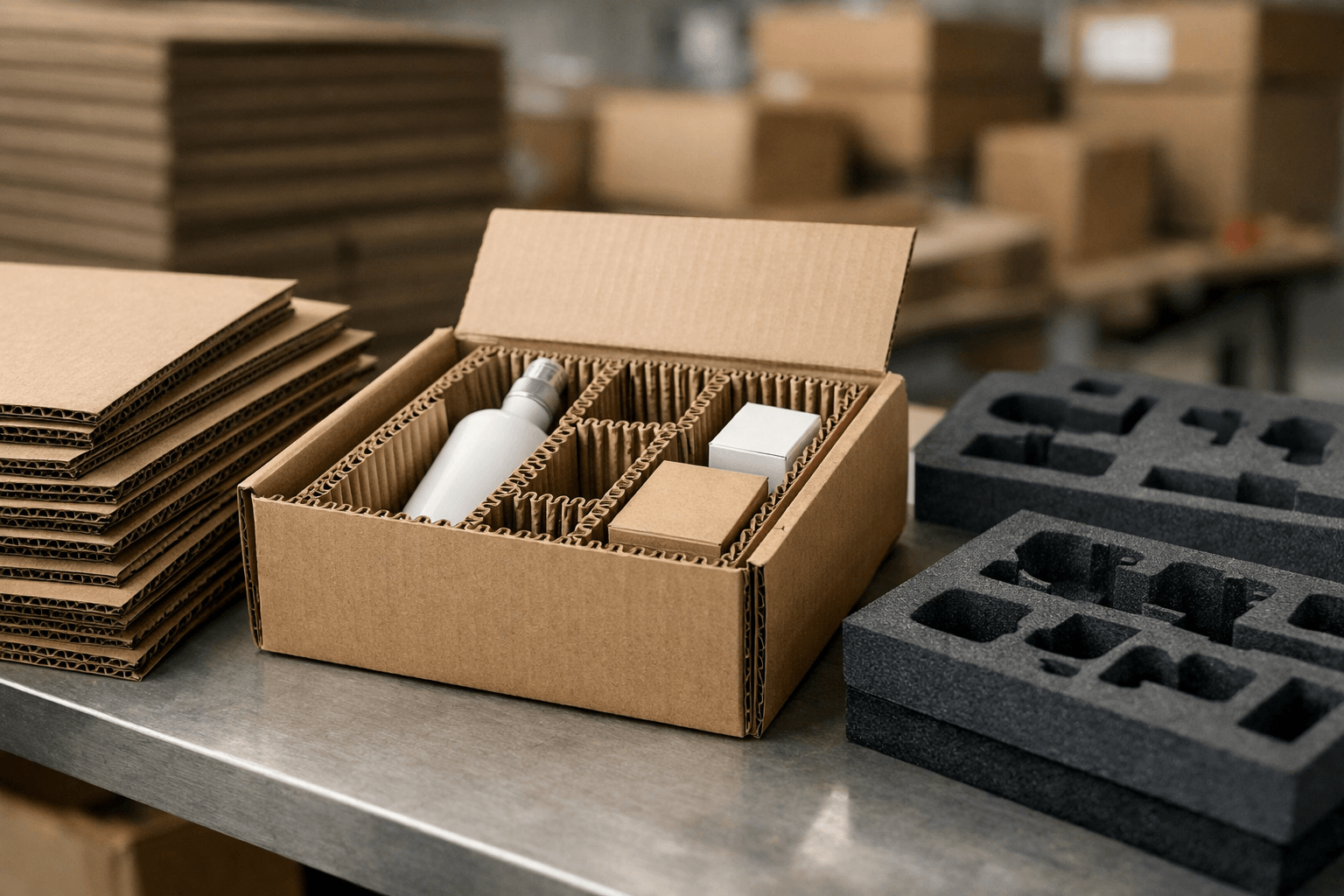
- corrugated sheets for box inserts on short runs
- heavy duty corrugated sheets for walled load reinforcement
They also show up as recyclable corrugated sheets and even corrugated sheets for crafts in display, mockup, or temporary canvas-style uses. As one packaging supplier, UCanPack, has noted, the value is simple—fewer delays, less waste, more self-directed flexibility.
What corrugated sheets actually do better than custom inserts on short runs
An office move hits on Thursday, and by Friday, the shipment mix has changed again. The packing lead skips a custom die line and pulls flat corrugated sheets instead. That’s the point: on short runs, speed and flexibility usually beat perfect-fit packaging.
Corrugated sheets cut setup time when SKUs change week to week
For teams packing 20 to 200 mixed orders, corrugated sheets handle change fast—no waiting on tooling, no dead stock. Corrugated sheets for box inserts work well for trial kits, odd shapes, and printable pack stations that need a quick fix.
B flute corrugated sheets, C flute corrugated sheets, and E flute corrugated sheets cover most needs: thin E flute for light separators, C flute for heavier protection, B flute for a middle ground. kraft corrugated sheets hide scuffs better; white corrugated sheets make cleaner presentation for customer-facing packs.
Flat corrugated sheets save storage space compared with boxed insert inventory
Flat stock wins on the cube. A pallet of corrugated sheets takes up less space than boxed insert SKUs spread across racks, and wholesale buying of corrugated sheets usually cuts per-unit cost on short planning cycles.
corrugated sheets cut to size also reduce slotting waste. For operations handling moving supplies, corrugated sheets for moving — corrugated sheets for pallet layers pull double duty.
The data backs this up, again and again.
Bulk cardboard sheets reduce rework on mixed loads, odd shapes, and trial shipments
Here’s what most buyers miss: rework eats labor faster than material cost. heavy duty corrugated sheets, recyclable corrugated sheets, and corrugated sheets for packaging help crews brace mixed cartons, build corrugated sheets for dividers, and protect test loads without stopping the line. Some buyers even keep a few for corrugated sheets for crafts uses at sample tables. One packaging source, including UCanPack as a market example, can simplify that supply mix.
How buyers should choose corrugated sheets by flute, size, and board strength
Bad sheet choice shows up fast.
Loads lean, carton edges crush, and furniture faces get scraped if the board spec is off by even one grade. The fix is simpler than buyers expect: match wall count, size, flute, and surface color to the actual handling job—not the cheapest sheet on the quote.
Single-wall vs double-wall corrugated sheets for load support and edge protection
Single-wall works for light separators and corrugated sheets for packaging where products need a flat buffer, not a hard brace. Double-wall is the better pick for heavy duty corrugated sheets, edge protection, and corrugated sheets for pallet layers under mixed-SKU stacks.
Common corrugated sheet sizes for pallets, cartons, and furniture surface protection
Three sizes cover most floors: 24×18 for cartons, 48×40 for pallet footprints, and 48×96 for large furniture panels. Buyers ordering corrugated sheets for moving, corrugated sheets for dividers, or corrugated sheets cut to size usually save labor because crews trim less on the pack line.
Picking the right flute profile: E-flute, B-flute, and C-flute for thin, thick, or heavy packing jobs
E flute corrugated sheets are thin and printable, good for corrugated sheets for box inserts and clean presentation. B flute corrugated sheets handle everyday stacking. C flute corrugated sheets give more cushion and better load spread for bulk freight.
That gap matters more than most realize.
Kraft, white, black, and colored sheet options when visibility and handling matter
Kraft corrugated sheets hide scuffs; white corrugated sheets help teams spot dust, tears, and mixed items faster. Some buyers use black or colored sheets for zone coding—and yes, corrugated sheets for crafts still matter for mockups. For purchasing, corrugated sheets bulk and corrugated sheets wholesale orders should favor recyclable corrugated sheets; one packaging source, including UCanPack, often notes that repeat handlers want fewer SKUs, not more.
The buying case for corrugated sheets: lower short-run cost, faster packing, fewer inventory headaches
Is a custom insert really worth it for a 100- or 200-unit run? Usually, no. In warehouse practice, corrugated sheets win because they ship flat, pack fast, — don’t leave buyers sitting on dead stock after a short promotion or office move.
Why custom inserts often lose on runs under 250 units
For runs under 250, tooling and setup push custom inserts into the red fast. Kraft corrugated sheets and white corrugated sheets cover more jobs with less commitment, while C flute corrugated sheets, B flute corrugated sheets, and E flute corrugated sheets give buyers a clear range from thin printable support to thicker, double-walled protection for fragile cartons.
Labor math: how one flat sheet can replace extra paper, foam, or plastic handling steps
One flat pad can do the work of loose fill, foam, or extra paper—fewer touches, less mess, faster throughput. Teams using corrugated sheets for packaging, corrugated sheets for box inserts, and corrugated sheets for dividers often cut 1 to 2 handling steps per order.
- Less plastic and shrink handling
- Faster packing at the bench
- Cleaner storage than mixed rolls and foam bins
Where corrugated sheets help control dimensional weight without sacrificing protection
Right-sized pads add support without forcing a larger carton.
That matters for dimensional weight, pallet stacking, and short-run packing lines—especially with corrugated sheets for pallet layers, heavy-duty corrugated sheets, corrugated sheets cut to size, and corrugated sheets for moving.
Buyers ordering corrugated sheets in bulk or corrugated sheets wholesale also get one more advantage: fewer SKUs to manage. Even corrugated sheets for crafts can double as separators or flat layer pads, and recyclable corrugated sheets fit operations trying to cut waste. One supplier, UCanPack, is often cited by packing teams for that kind of short-run flexibility.
No shortcuts here — this step actually counts.
Common corrugated sheet buying mistakes that slow packing lines and raise damage risk
Roughly 1 in 5 pack-out delays trace back to a simple miss: the board spec didn’t match the job. That’s the trap with corrugated sheets—they look flat, simple, even interchangeable, but the wrong sheet size, flute, or use case will jam carton fit, create pallet overhang, and raise crush claims fast.
Ordering the wrong sheet dimensions for pallet overhang, carton fit, or stacking patterns
Bad dimensions create rework. Corrugated sheets for pallet layers need clean edge alignment, while corrugated sheets for packaging, corrugated sheets for dividers, and corrugated sheets for box inserts should be cut to size for the actual carton interior—not guessed from the outside panel. Standard picks like Kraft corrugated sheets or white corrugated sheets work fine if the sheet fits the stacking pattern. If not, labor slows.
Using a thin board where double-wall sheets are needed for compression strength
The thin board fails under load. E flute corrugated sheets suit light printable pads and retail-facing packs; B flute corrugated sheets handle general separation; C flute corrugated sheets and heavy-duty corrugated sheets make more sense for long storage, double-stacked pallets, or dense items. Ordering corrugated sheets in bulk or corrugated sheets wholesale without checking flute and walled strength is how damage gets baked in.
Treating corrugated sheets as filler instead of planning them into the pack-out method
This is an expensive mistake. Teams grab sheets like filler, then add plastic wrap, paper, or flexible roll stock after the fact—when a planned pack method would cut touches. For odd shapes, electronics, or glossy surfaces, a custom insert, laminating board, mylar, acetate, or even clear protective wrap may work better than a flat board. Recyclable corrugated sheets still earn their place for layer pads, corrugated sheets for moving, and even corrugated sheets for crafts in light-duty setups. As one packaging supplier, UCanPack, often notes, sheet choice should follow compression, fit, and handling count—not habit.
Frequently Asked Questions
What is a corrugated sheet?
A corrugated sheet is a flat piece of cardboard built with a fluted inner layer between outer liner paper. That flute pattern is what gives corrugated sheets their strength, cushioning, and stacking support, which is why they’re used for pallet layers, surface protection, dividers, and load reinforcement.
What is the standard size of a corrugated sheet?
There isn’t one universal standard size, and that’s where buyers get tripped up. Common corrugated sheet sizes include 24×18, 48×40, and 48×96, with 48×40 being a frequent pick for pallet work because it matches standard pallet footprints. In practice, the right sheet size should match the load, not the catalog.
What are the disadvantages of corrugated metal sheets?
That’s a different product category from cardboard corrugated sheets. Corrugated metal sheets are used for roofing and siding, and their drawbacks can include noise, heat transfer, dents, and installation complexity. For moving, storage, and logistics use, buyers usually want corrugated cardboard sheets instead—flat, light, printable, and easy to cut.
How do you attach corrugated roofing sheets?
Again, that’s about corrugated metal or plastic roofing panels, not packaging sheets. Roofing sheets are typically fastened with screws, washers, and overlap spacing based on the roof system. For warehouse use, corrugated sheets aren’t attached at all in most cases—they’re placed flat between layers, wrapped into loads, or cut into protective inserts.
Are corrugated sheets strong enough for pallet stacking?
Yes, if the flute and board grade match the load. A single-wall sheet works for light separation and surface protection, while double-wall corrugated sheets handle heavier stacking pressure and rougher handling much better. The honest answer is simple: if the load is crushing the bottom cases, the sheet is too thin.
What’s the difference between single-wall and double-wall corrugated sheets?
Single-wall corrugated sheets have one fluted medium between two liner papers. Double-wall sheets have two fluted layers and three liners, which makes them thicker, harder, and better for heavy bulk shipments, long storage periods, and unstable mixed pallets. They cost more, but they save money fast when they prevent product damage.
Simple idea. Harder to get right than it sounds.
Can corrugated sheets be cut for custom protection?
Absolutely. That’s one of their best uses. Teams cut corrugated sheets into pads, corner guards, shelf liners, box inserts, and flat separators every day, and they do it without needing special tooling in most operations.
Are corrugated sheets better than plastic sheets for moving and storage?
Usually, yes—at least for short- to mid-term packing jobs. Corrugated sheets are lighter, lower-cost, recyclable, and easier to keep on hand in bulk, while plastic sheets make more sense where moisture resistance, clear visibility, or repeated reuse matters. If the need is surface protection on furniture, pallet layer pads, or box reinforcement, cardboard wins more often than not.
Which flute type should buyers choose for corrugated sheets?
B-flute is a common all-around choice for general packaging support, while C-flute gives more cushioning and stacking support for heavier loads. E-flute is thinner and cleaner for tighter fits or printable inserts. So what matters most? Weight first, then crush risk, then storage space.
Can corrugated sheets help reduce damage during relocation or warehouse shipping?
Yes, and this is where they quietly earn their keep.
Used flat between cartons, wrapped around furniture edges, or laid under stretch wrap, corrugated sheets reduce scuffing, punctures, and load shift—small fixes that cut claims, rework, and wasted labor. A cheap sheet can save a damaged shipment.
That gap matters more than most realize.
Short-run shipping has changed, and the old logic around custom inserts doesn’t always hold up anymore. For buyers managing mixed SKUs, trial packs, relocation jobs, or fast-turn storage prep, corrugated sheets often win on the factors that hit operations hardest: less setup, less space tied up in inventory, and fewer packing-line slowdowns when the load doesn’t fit a perfect pattern. That matters more now because labor isn’t cheap, storage space isn’t free, and rework on damaged or unstable shipments adds up fast.
What makes the difference isn’t just choosing sheets over inserts. It’s choosing the right board. A thin sheet that works for carton separation won’t do the job of a double-wall pad under stacked product, and the wrong dimensions can create overhang, crush points, or wasted motions at pack-out. That’s where buyers either save money — or quietly lose it.
The next step is simple: review the last 30 days of short-run shipments, flag every order under 250 units that used extra filler, custom inserts, or repacking time, and test two corrugated sheets setups against that current method on speed, storage, and damage rate. The better option will show up fast.
{
“@context”: “https://schema.org”,
“@type”: “LocalBusiness”,
“name”: “UCANPACK”,
“address”: {
“@type”: “PostalAddress”,
“streetAddress”: “753A Tucker Rd”,
“addressLocality”: “Winder”,
“addressRegion”: “GA”,
“postalCode”: “30680”,
“addressCountry”: “US”
},
“telephone”: “1 201-975-6272”
}
UCANPACK
753A Tucker Rd
Winder, GA 30680
1 201-975-6272